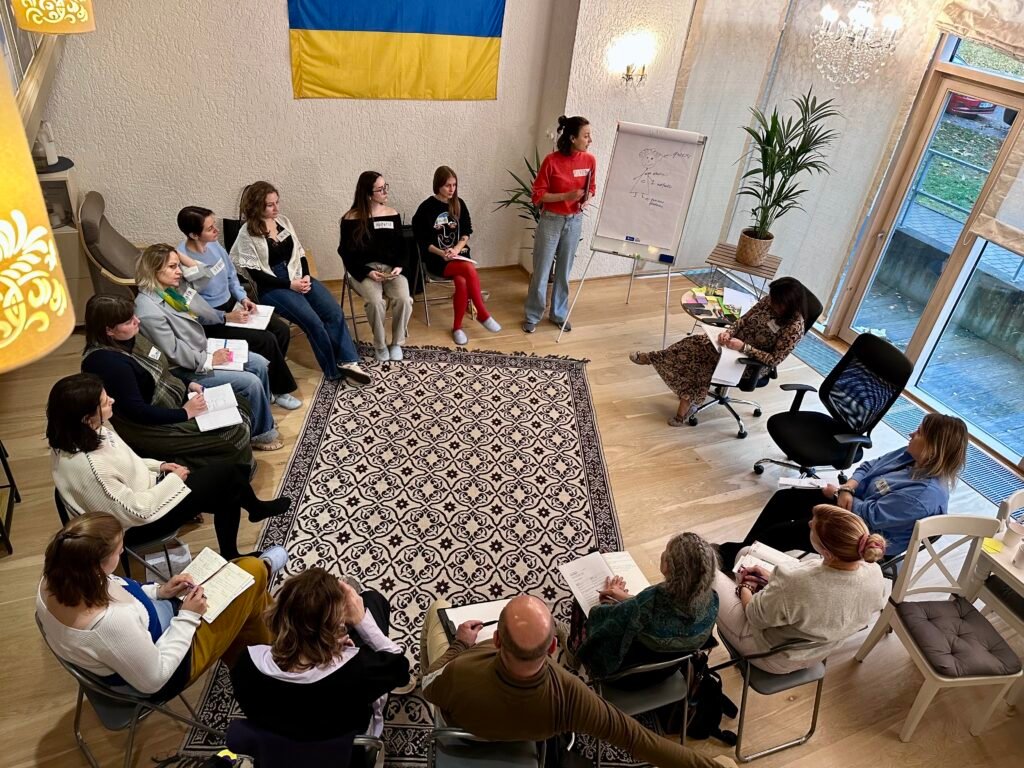
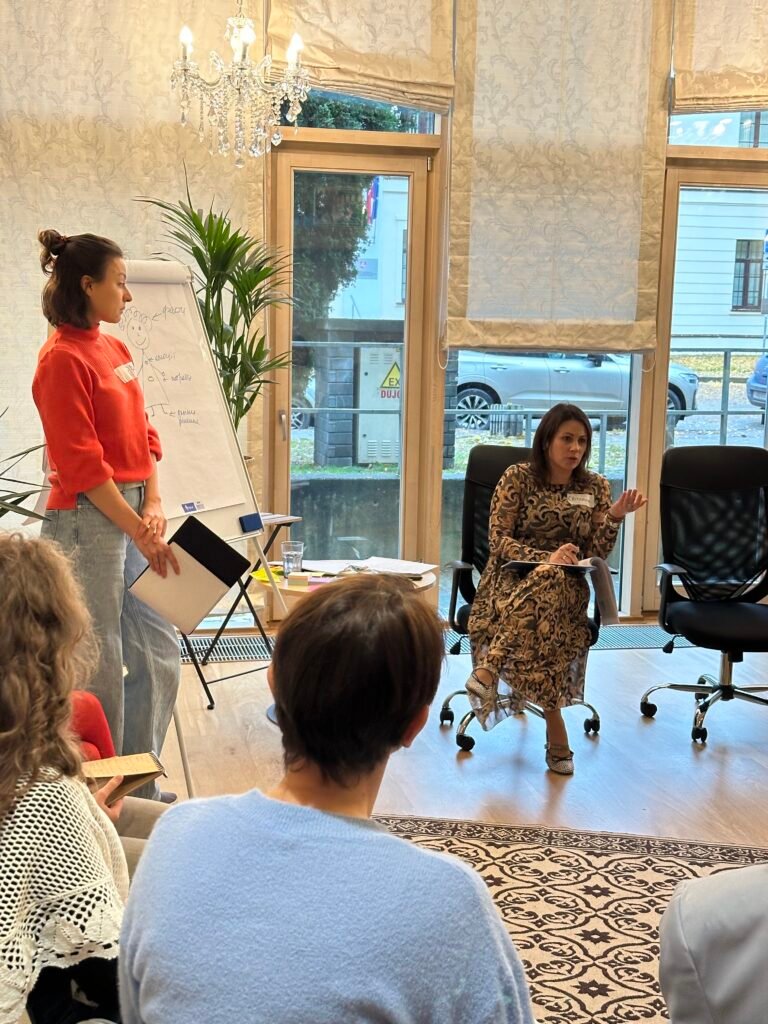
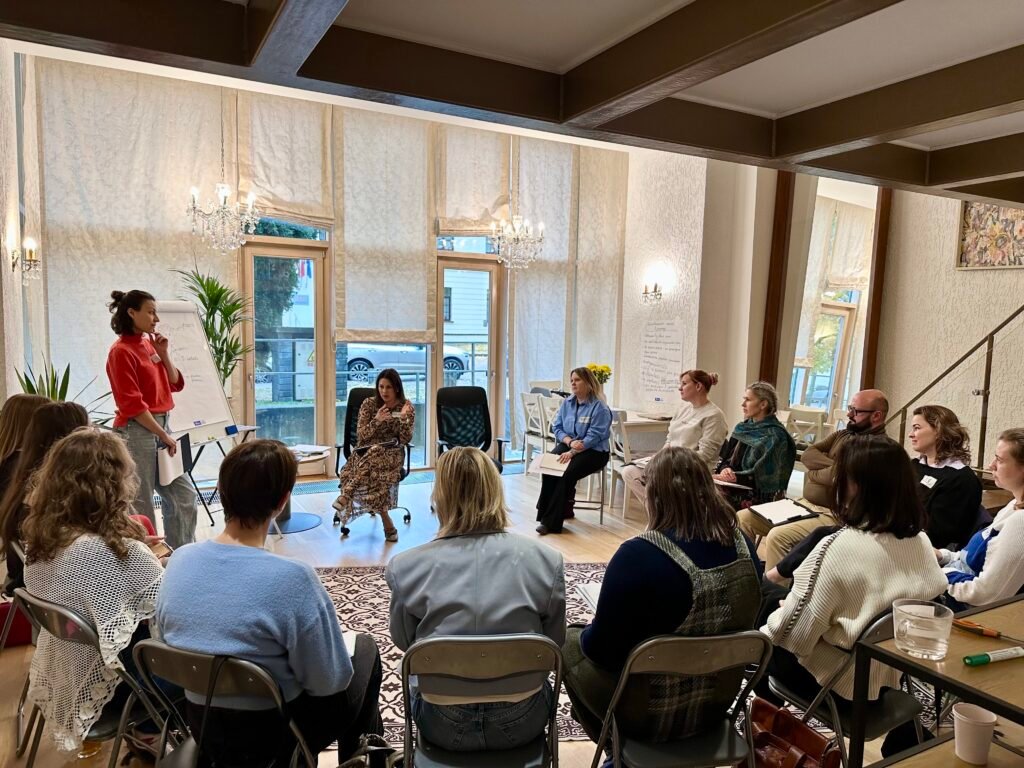
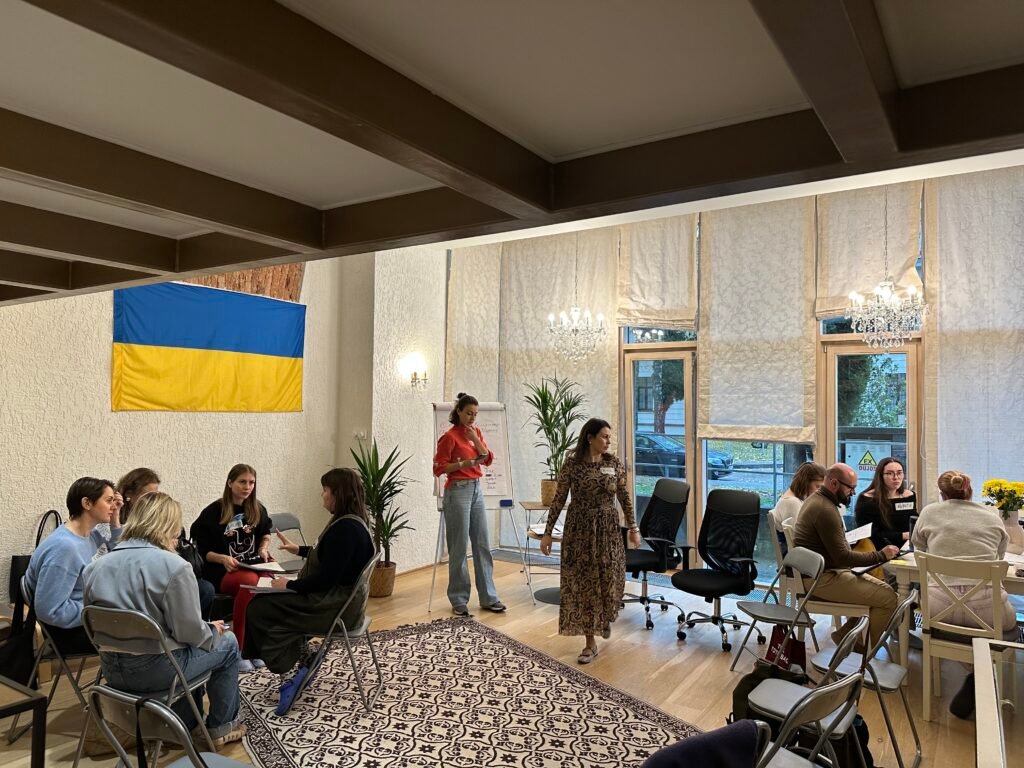
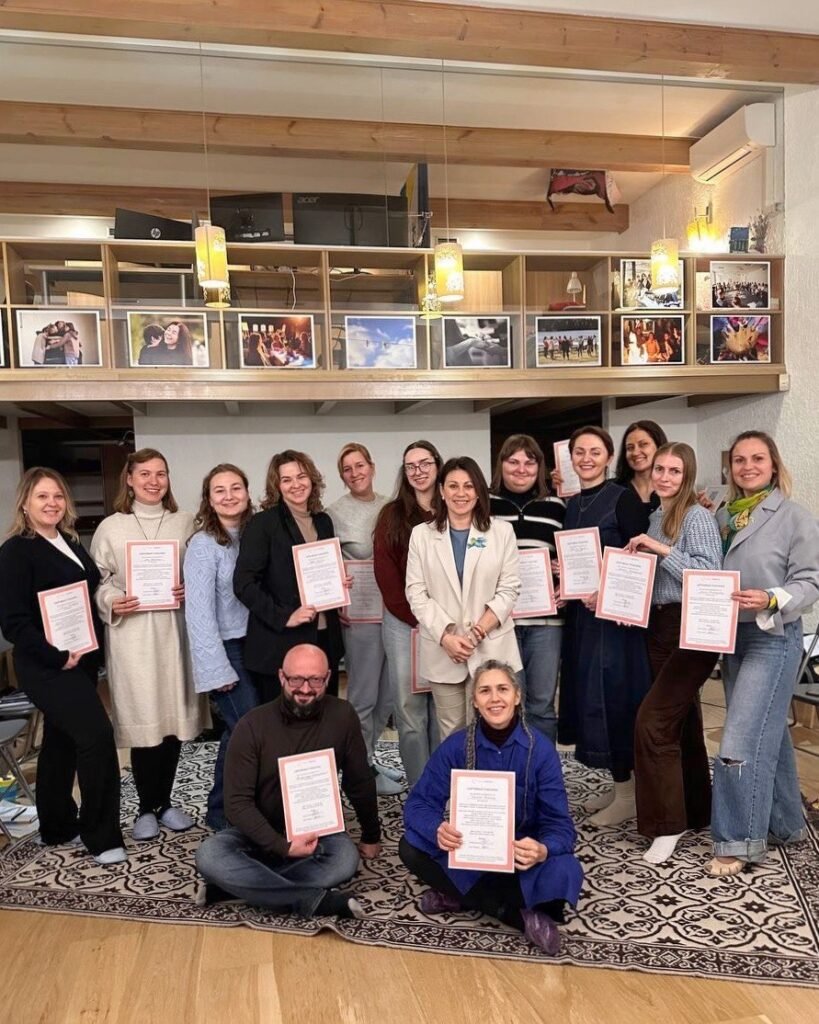
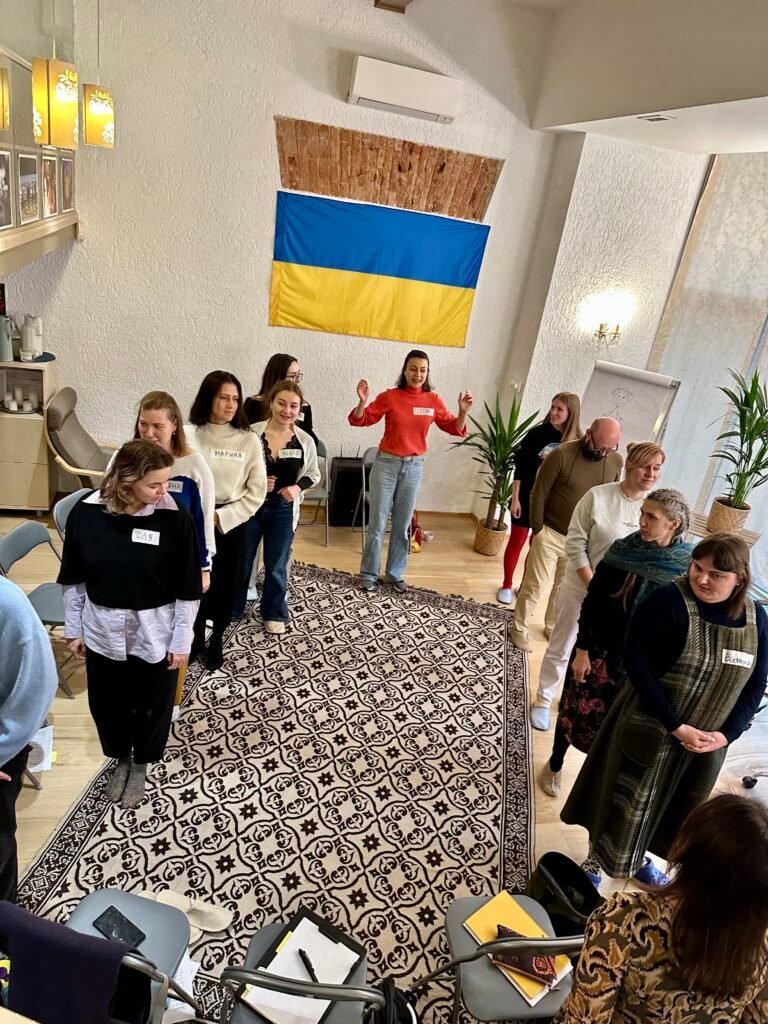
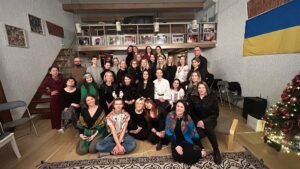
At the Open Nations space, our team held a two-day Community Dialogue Facilitation Training.
“Dialogue is not just a conversation.It is a process of genuine interaction — when we listen to each other so deeply that what we hear can expand our own worldview.
These days in Vilnius were dedicated to exploring how not to fear listening even when it hurts, how to recognize another’s truth without losing yourself, and how to create a space where people can speak honestly about difficult topics.”
— Svitlana Zaluzhna, trainer.
The training took place within the framework of the Training of Trainers in Dialogue program of the Nansen Center for Peace and Dialogue (Norway) — a program designed to prepare trainers who use dialogue as a tool for understanding, support, and community healing.
The training was open to everyone who wished to:
- learn how to facilitate dialogues in their community, team, or environment;
- gain tools for conversations on complex or sensitive topics;
- understand how identity and personal experience shape people’s thinking and perspectives.
The training was open to everyone who wished to:
Training program:
- What is dialogue, and how it differs from discussion or debate
- Dialogical way of thinking
- Exercises on identity awareness
- Philosophy and principles of facilitation
- Roles in dialogue and the facilitator’s role
- Human values and their influence on dialogue
- The art of listening: developing quality listening skills
- Building trust and overcoming the fear of facilitation
- Practical dialogues: examples, experience, and participants’ own practice
Trainers
Svitlana Zaluzhna — lead trainer. Studied at the Nansen Peace and Dialogue Center (Norway), specializing in community dialogue facilitation, dialogue in conflict, and training for trainers.
Iryna Pashkevych — facilitator. Studied community dialogue facilitation at the Nansen Peace and Dialogue Center (Norway).
When selecting participants, the team considered motivation and the potential to apply the acquired knowledge in practice. Special attention was given to participants representing communities from various regions of Lithuania.